

Quick Answer
A watch is designed to be worn, and over time it naturally develops character. Light scratches on the case, the softening and darkening of a strap, and the settling of the movement are all part of this process, signs of use, not decline.
Whether automatic or quartz, a well-made watch is built to perform reliably for years. With proper care and periodic servicing, a watch doesn’t lose value over time, it gains a story.
What actually happens to a watch as it ages?
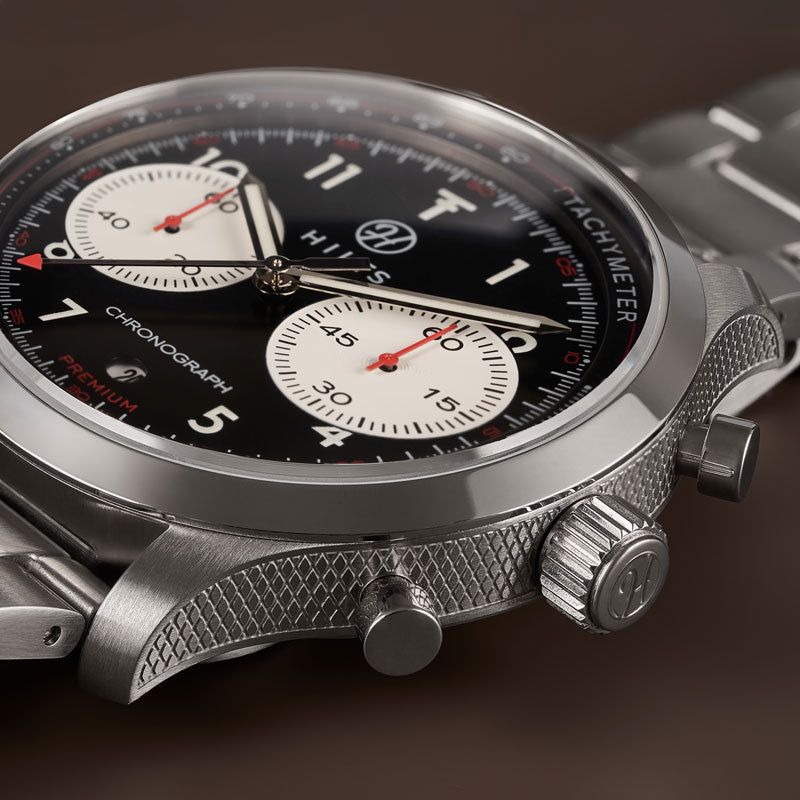
The case develops fine micro-scratches from daily contact, gradually softening the original finish into a subtle patina. Leather straps darken, crease, and conform to your wrist. Inside, the movement continues to perform as designed, often becoming more stable after its initial break-in period (for mechanical watches). None of this is deterioration, it’s the natural result of a watch being worn and lived with.
What’s the difference between normal aging and damage?
Normal aging comes from everyday use and is purely cosmetic, light scratches, a worn-in strap, or a clasp that shows signs of wear. Damage is different: deep dents, cracked components, water intrusion, or neglected servicing. Aging adds character without affecting performance. Damage is avoidable and can compromise both function and longevity.
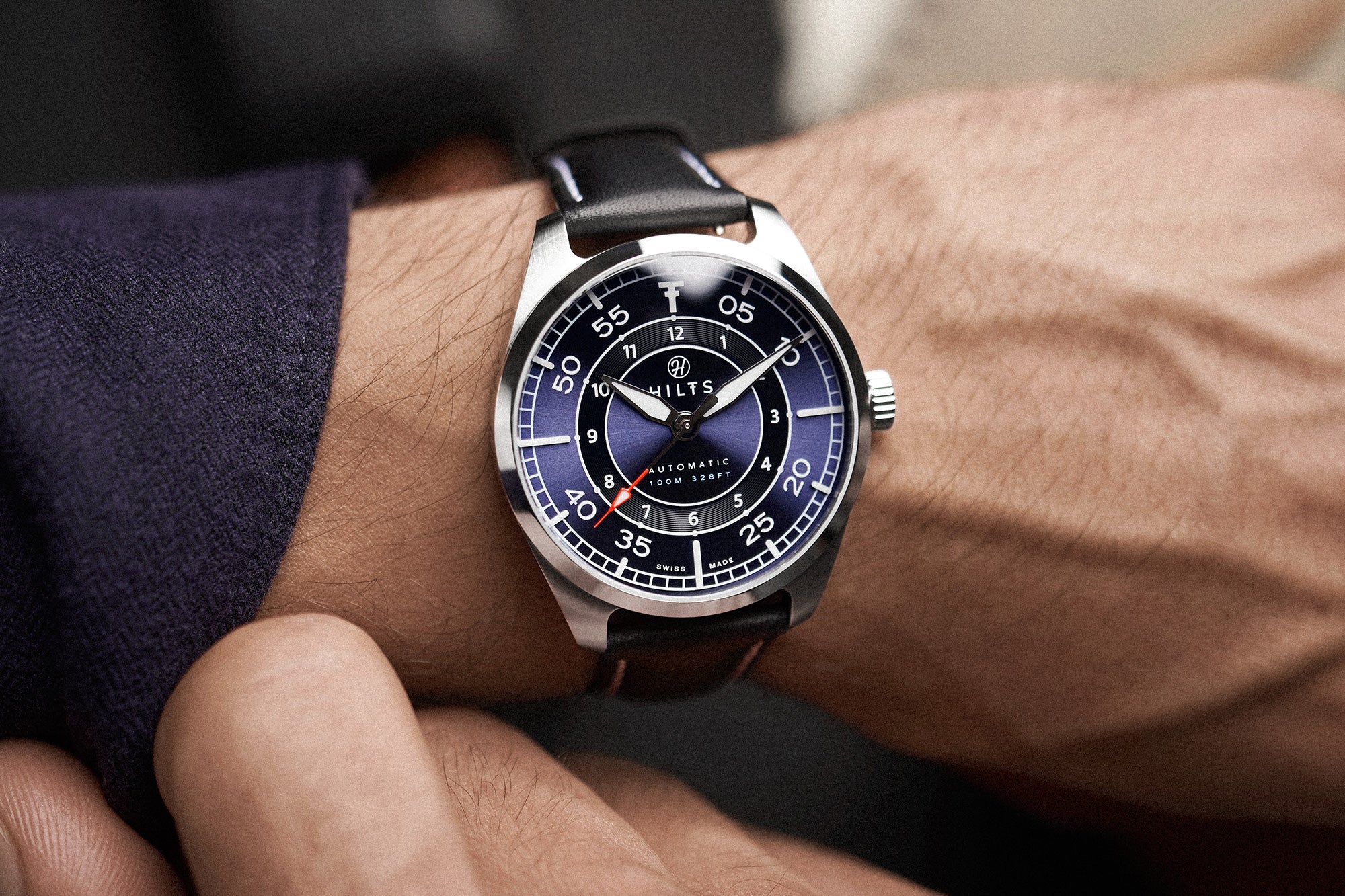
Automatic Movements Over Time
Do automatic movements change as they’re worn?
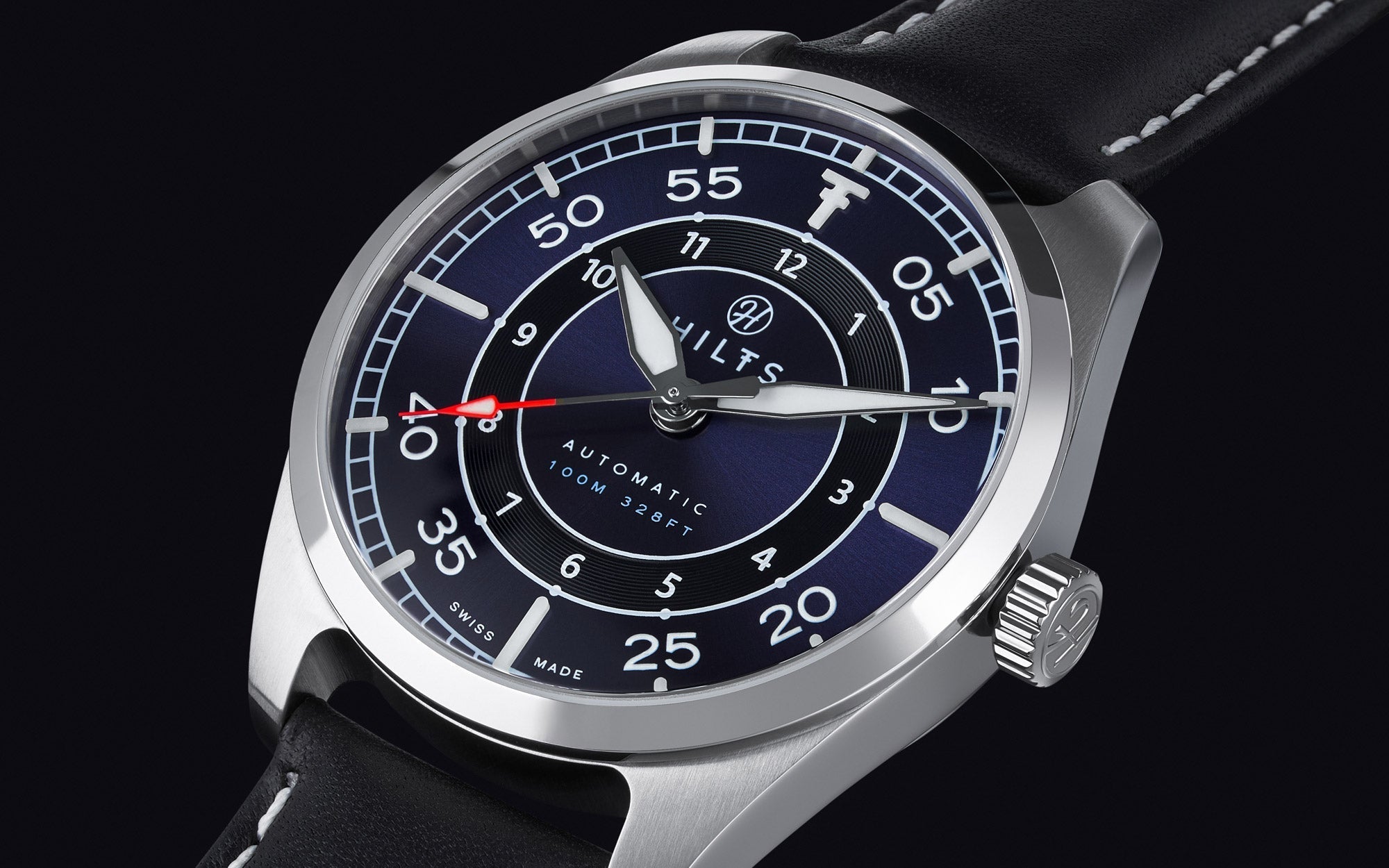
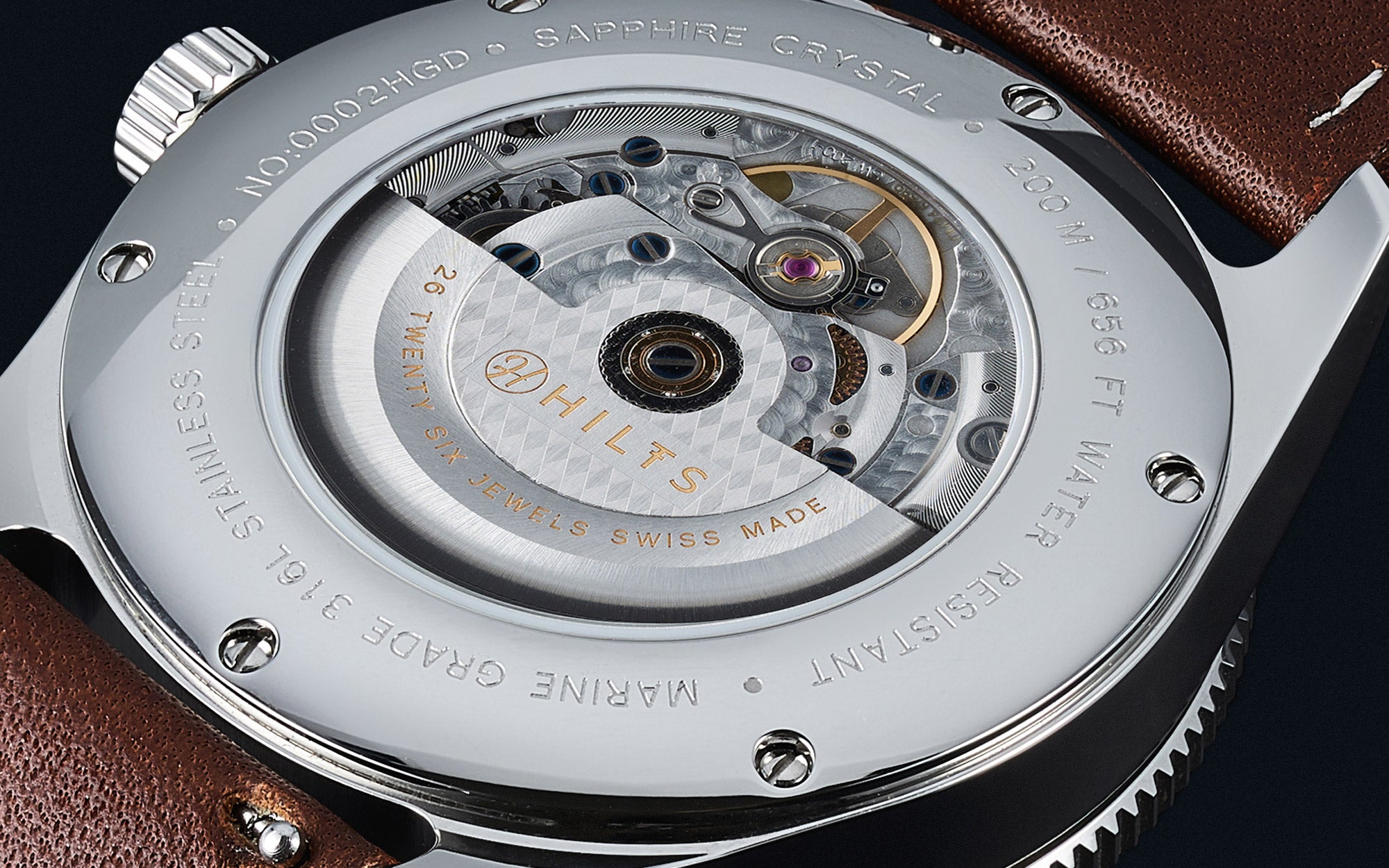
Yes; automatic movements naturally settle in. During the first few months, internal components bed in and lubricants distribute evenly, which typically leads to more stable and consistent timekeeping. This is a normal part of the movement reaching its optimal operating state.
How reliable are automatic movements long-term?
Automatic movements are designed for decades of use. Regular wear helps keep components moving and lubricated, but over time those lubricants will degrade. With routine servicing (typically every 5–7 years), an automatic movement will maintain accuracy and reliability long into the future.
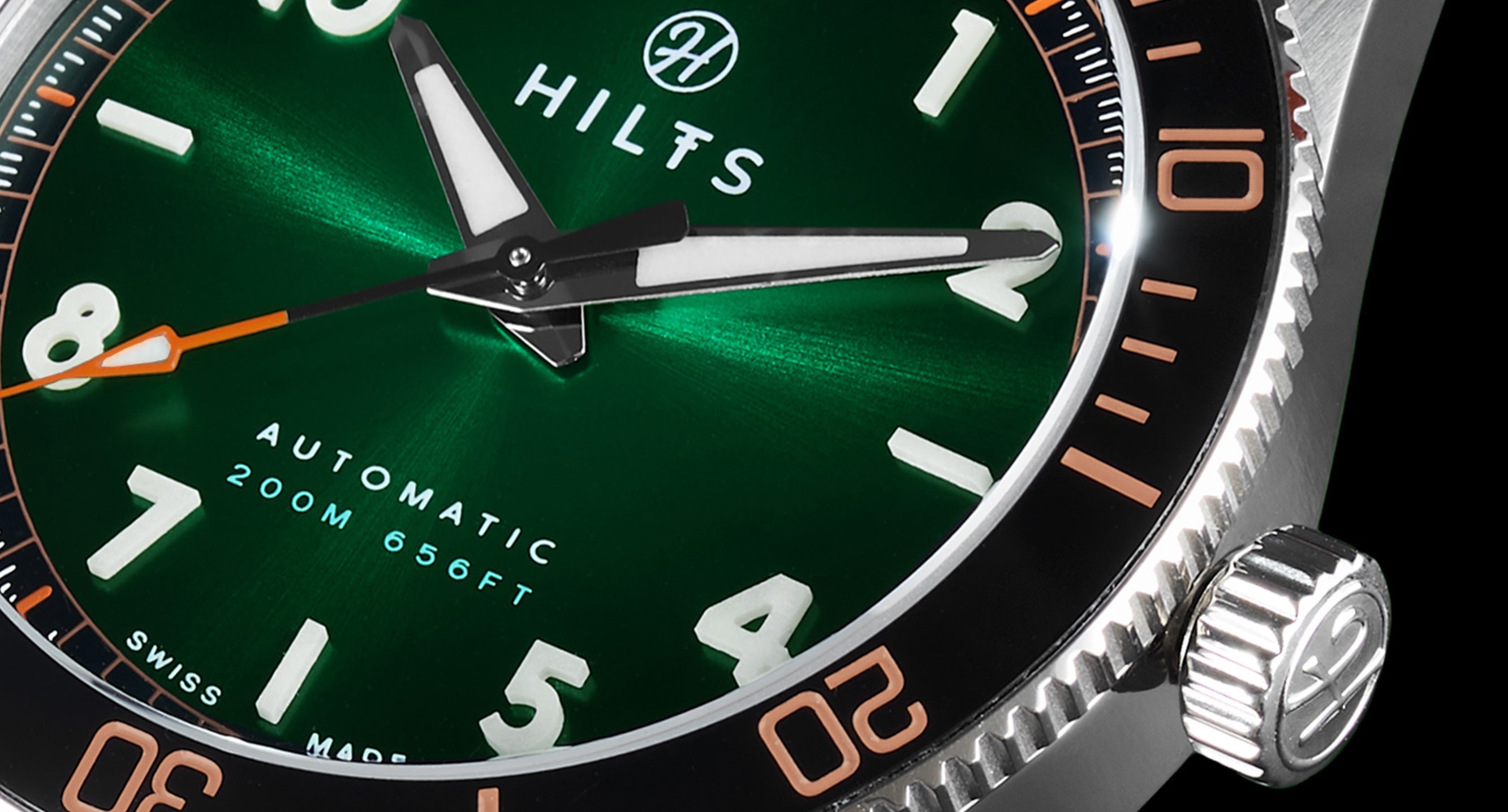
Quartz Movements Over Time
Do quartz movements change or degrade with age?
Quartz movements don’t have a “break-in” period like mechanical movements, they are highly consistent from the start. Over time, the main maintenance requirement is battery replacement every few years. Because they have fewer moving parts, they experience less mechanical wear and remain extremely reliable over long periods.
How reliable are quartz movements in daily use?
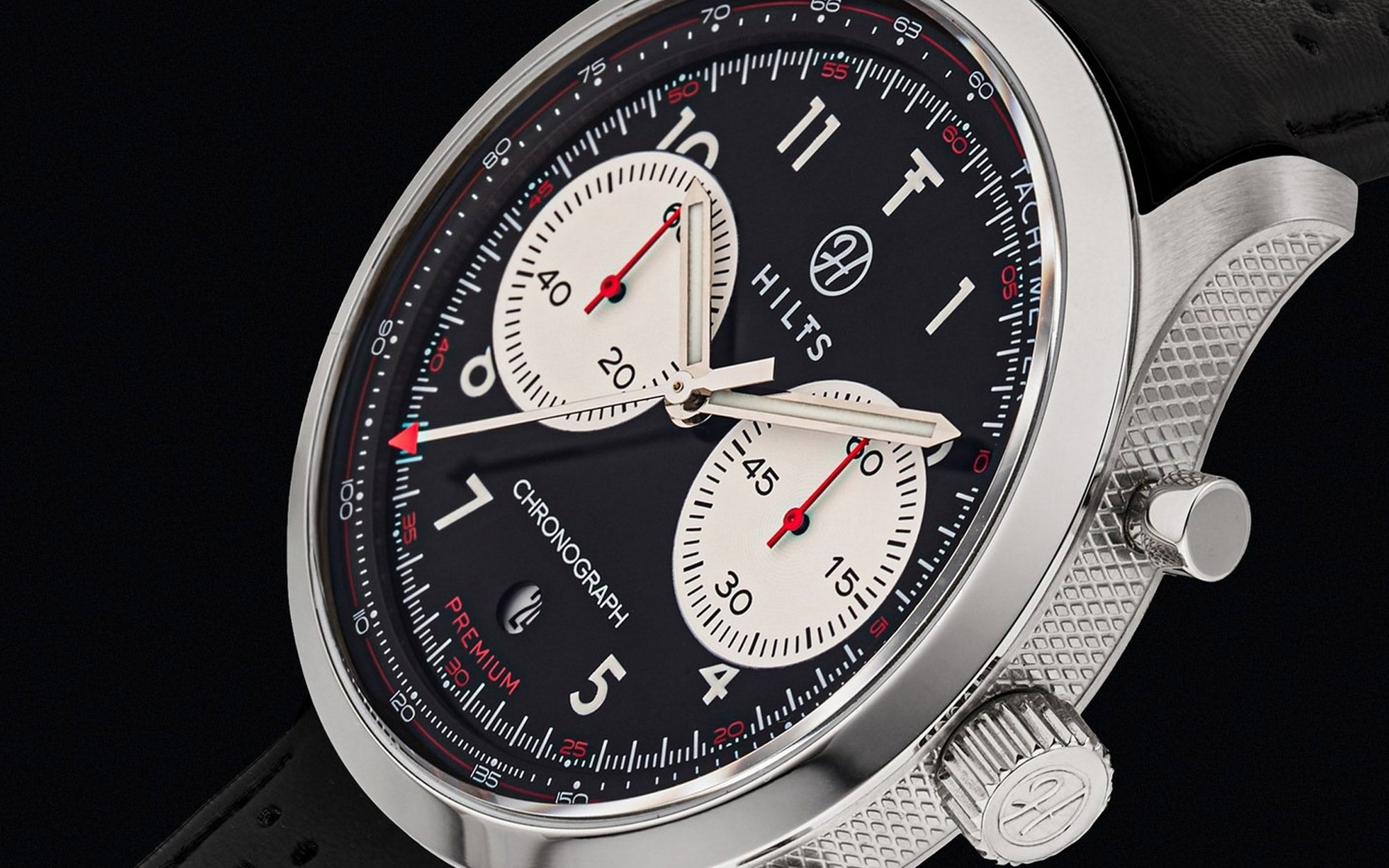
Quartz movements are exceptionally dependable. They are resistant to shock, maintain very high accuracy (typically within seconds per month), and require minimal upkeep. This makes them ideal for everyday wear, especially in watches designed to be used regularly, such as chronographs.
Straps & External Wear
How do leather straps age over time?
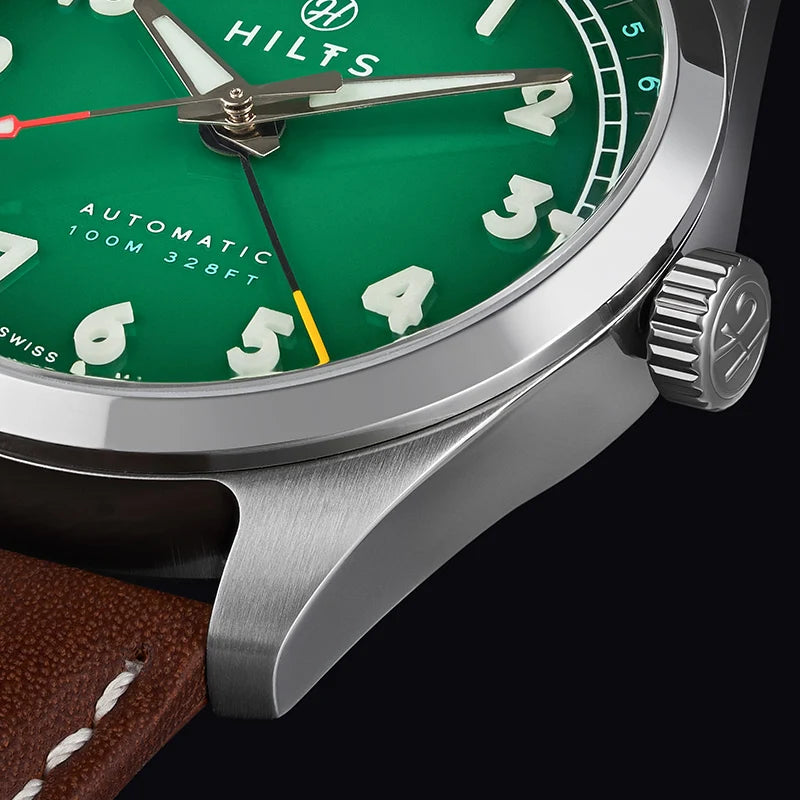
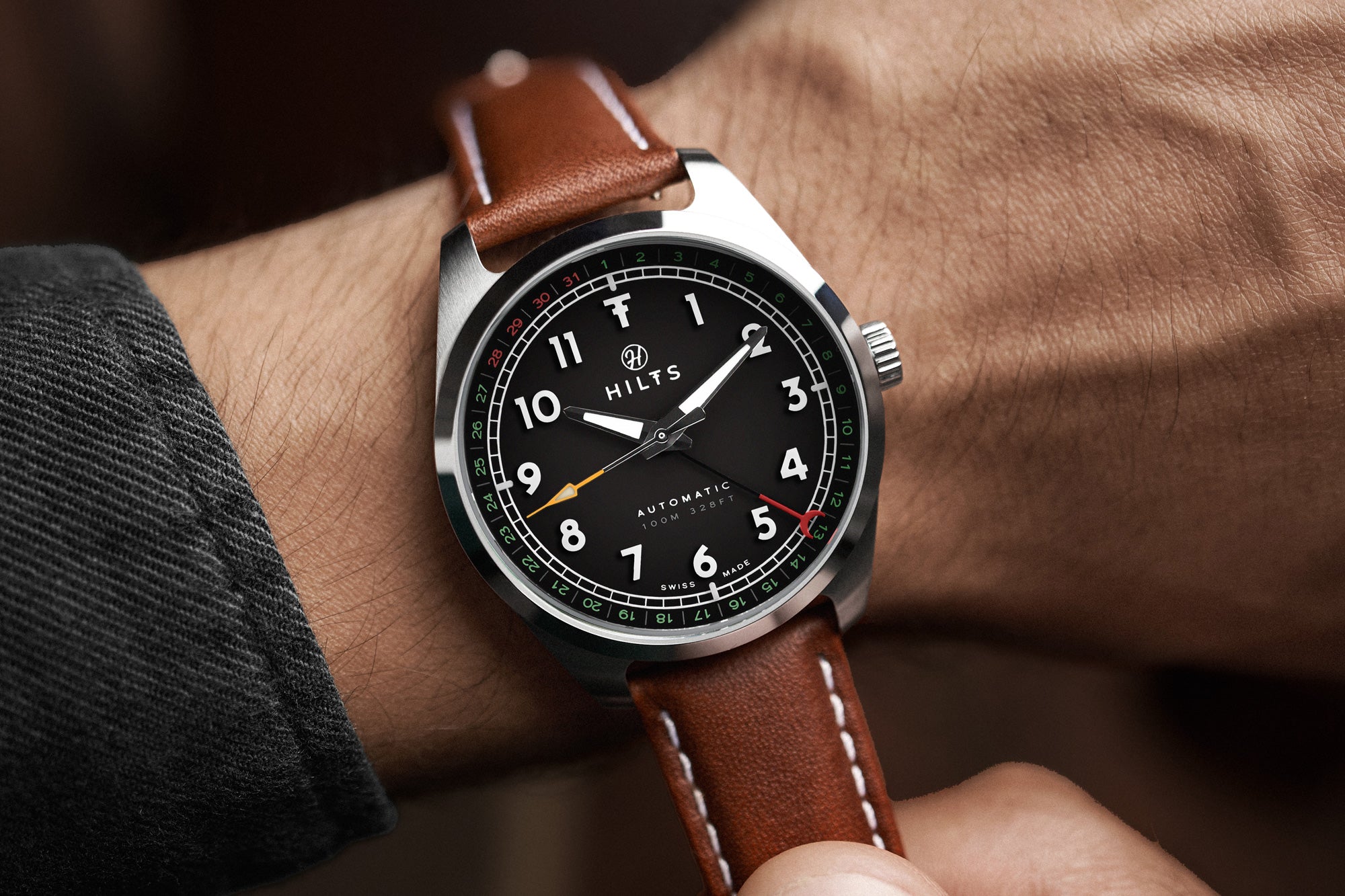
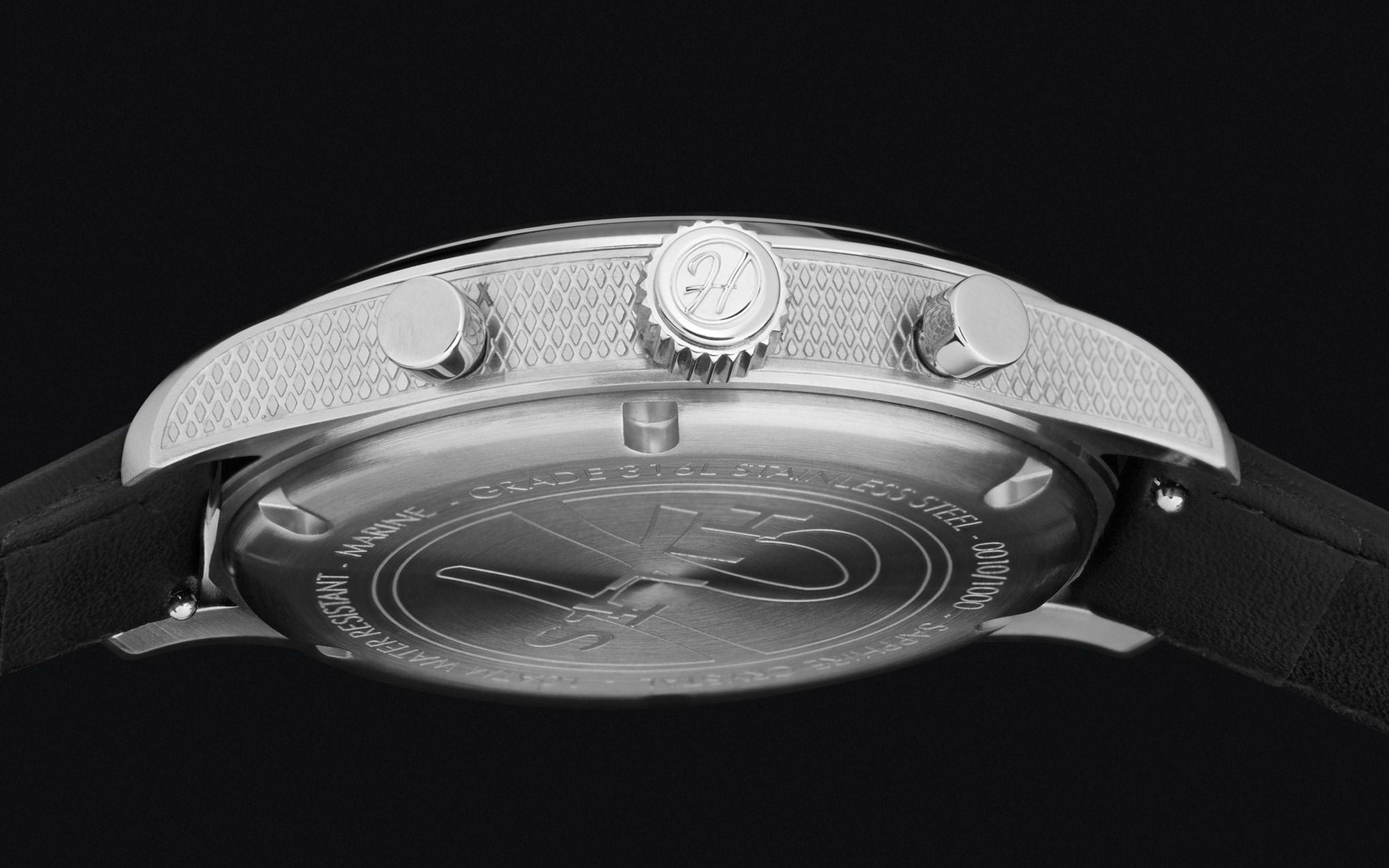
Leather straps are designed to wear in, not stay new. Over time, they darken from skin contact, soften, and take on the shape of your wrist. Creases form where the strap bends, and the surface develops a slightly worn, burnished texture. This is a natural and desirable part of the material.
How long should a strap last, and when should it be replaced?
Strap wear is inevitable. With regular use, a leather strap will typically last between 1–3 years depending on conditions and wear habits. Signs it’s time to replace it include cracking, fraying stitching, or loss of structure. Replacing the strap doesn’t affect the watch itself, it simply refreshes the part that experiences the most daily wear.
Frequently Asked Questions
No, a well-made watch doesn’t get worse, it develops character. Visible changes like light scratches or a worn-in strap are part of normal use, while the movement itself continues to perform reliably with proper servicing. Aging is a natural process, not a decline in quality.
Normal daily wear has little to no impact on performance. Cosmetic signs like micro-scratches or strap wear don’t affect timekeeping. As long as the watch is serviced when needed and protected from major damage, it will continue to run as intended.
Both are highly durable, but in different ways. Automatic movements are built to be serviced and can last for decades with proper care. Quartz movements have fewer moving parts, making them extremely reliable with minimal maintenance. The best choice depends on how you plan to use the watch.
The strap is the most commonly replaced part, especially leather, which naturally wears out over 1–3 years of regular use. Batteries in quartz watches will also need periodic replacement. The movement itself is designed to be serviced rather than replaced, allowing the watch to last for many years.
Read more
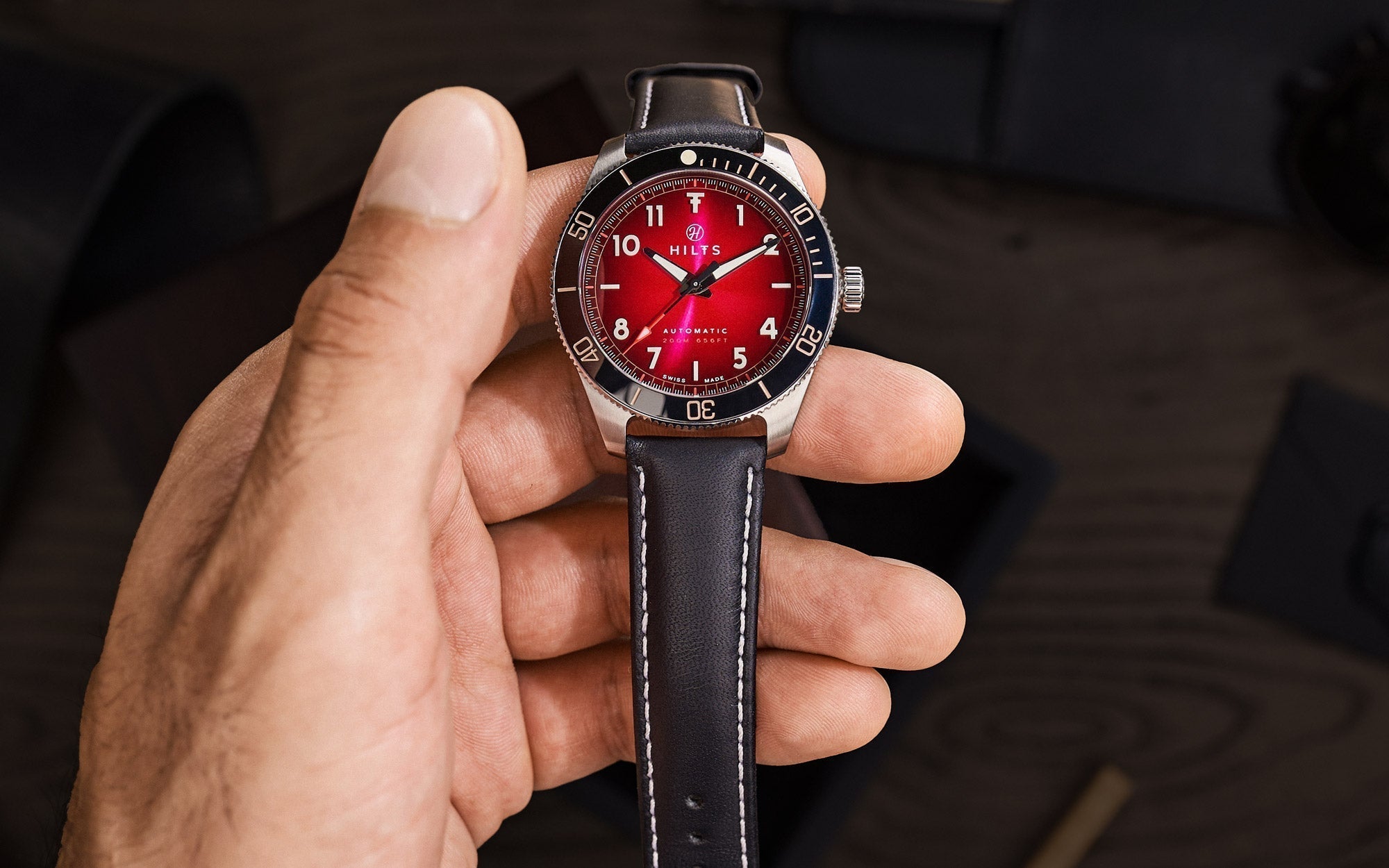
Chapter 6: Choosing the Right Watch
Buying a watch you’ll wear for years is about more than specs. It’s about finding something that fits your life, feels right, and earns its place on your wrist every day.
Read more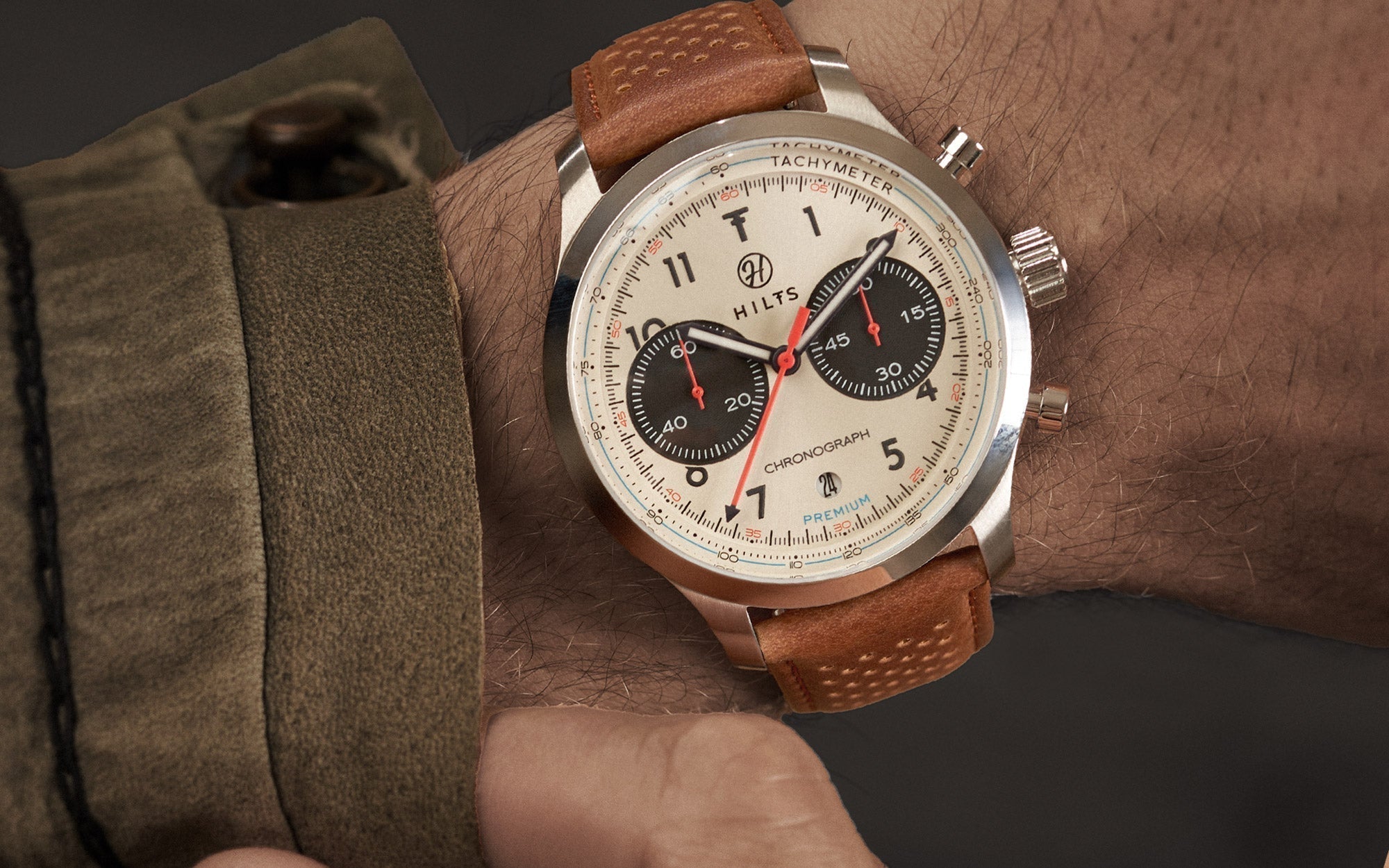
Chapter 8: Our Philosophy: Time Well Worn
Time is the one resource you can't buy more of. A watch doesn't give you more time, it reminds you to use it well.
Read more
Want All The Chapters?
Join our newsletter to get all 8 chapters delivered to your inbox, along with regular news updates and early access to new releases.
No Confirmation? Please check your spam or promotions folder to confirm your subscription.