

Quick Answer
The movement is the engine of a watch. It powers the hands, drives any complications, and determines how the watch performs over time. While there are different types of movements, what matters most is accuracy, reliability, and how well the movement fits the purpose of the watch.
Our Approach
We focus on choosing the right movement for the job and to do that we insist on aligning ourselves with the very best manufacturers.
Sellita Automatic movements offer craftsmanship, tradition, and a mechanical experience. Based in La Chaux-de-Fonds, Switzerland they are one of the most respected movement manufacturers in the world.
Citizen/Miyota are considered one of the most trusted watch brands in the world. Used by countless watch brands worldwide Miyota Quartz movements are renowned for their exceptional precision, reliability, and everyday practicality.
Both have their place. What matters most is that the movement performs consistently and suits how the watch is intended to be worn.
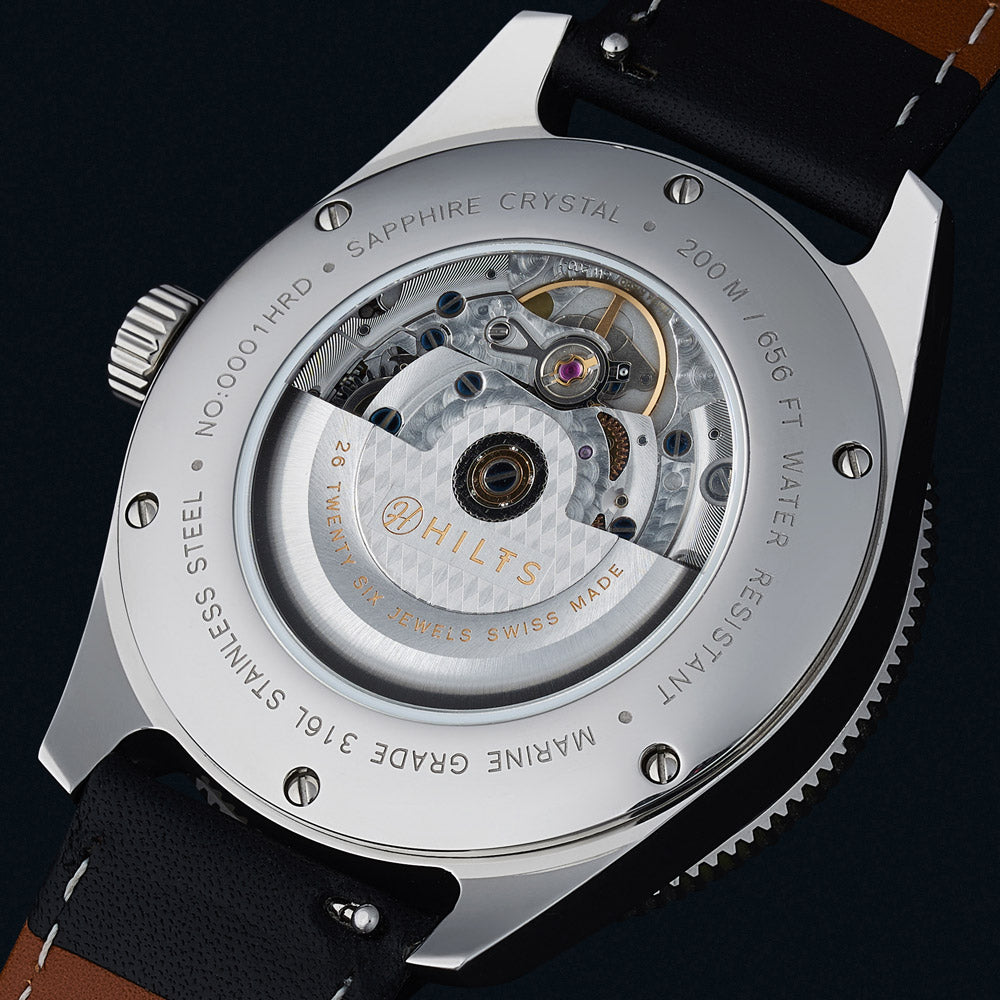
Our Automatic Movements
We use Sellita automatic movements in our watches because they are:
- Reliable and well-proven
- Accurate and consistent
- Designed for long-term serviceability
- Supported by watchmakers worldwide
These movements are built to perform day after day, while still offering the craftsmanship and character that make automatic watches special.
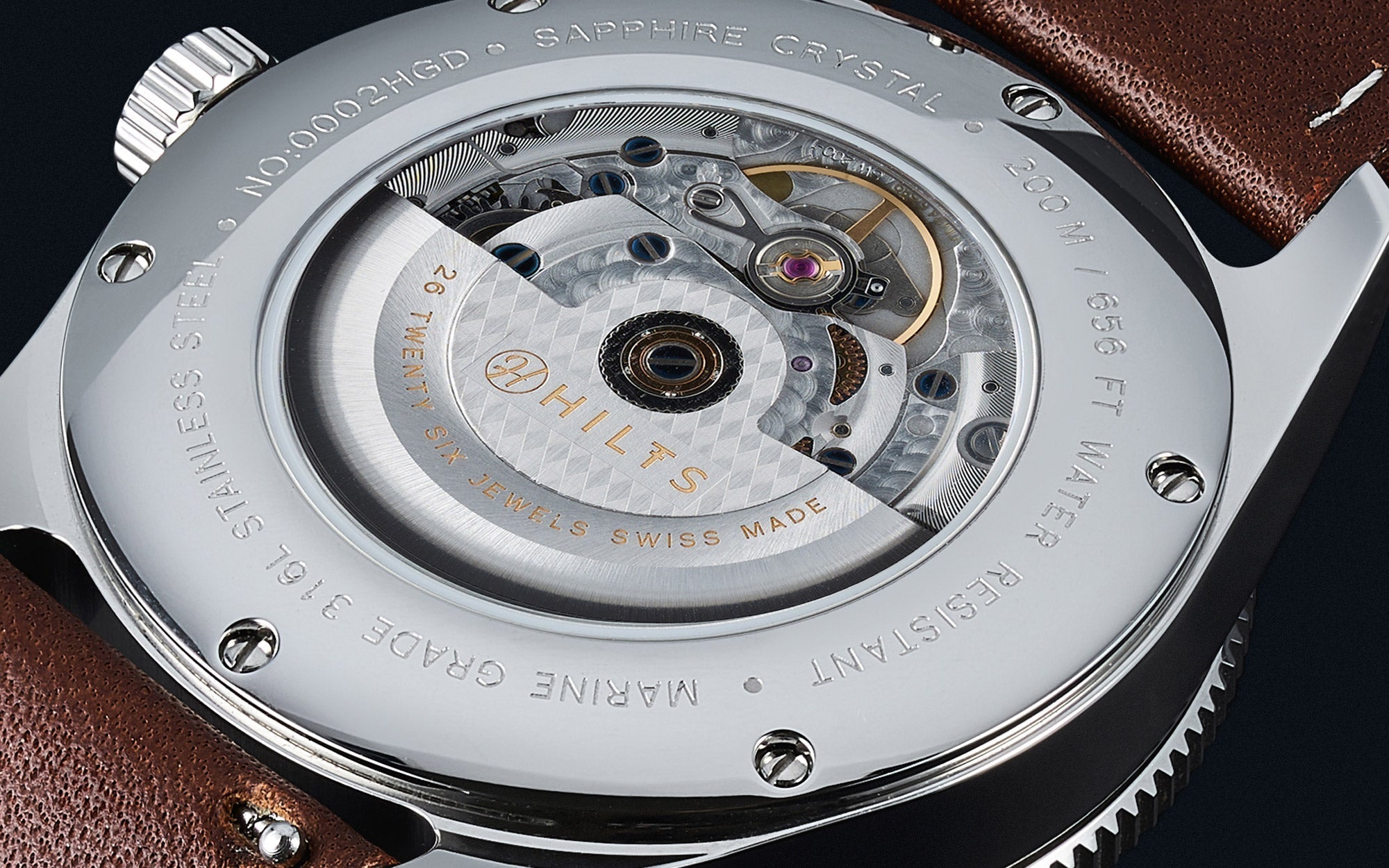
We also enhance them with thoughtful finishing, such as:
- Custom engraved rotors
- Decorative detailing
- Exhibition case backs so the movement can be seen in motion
This allows you to appreciate the engineering inside your watch as well as its performance.
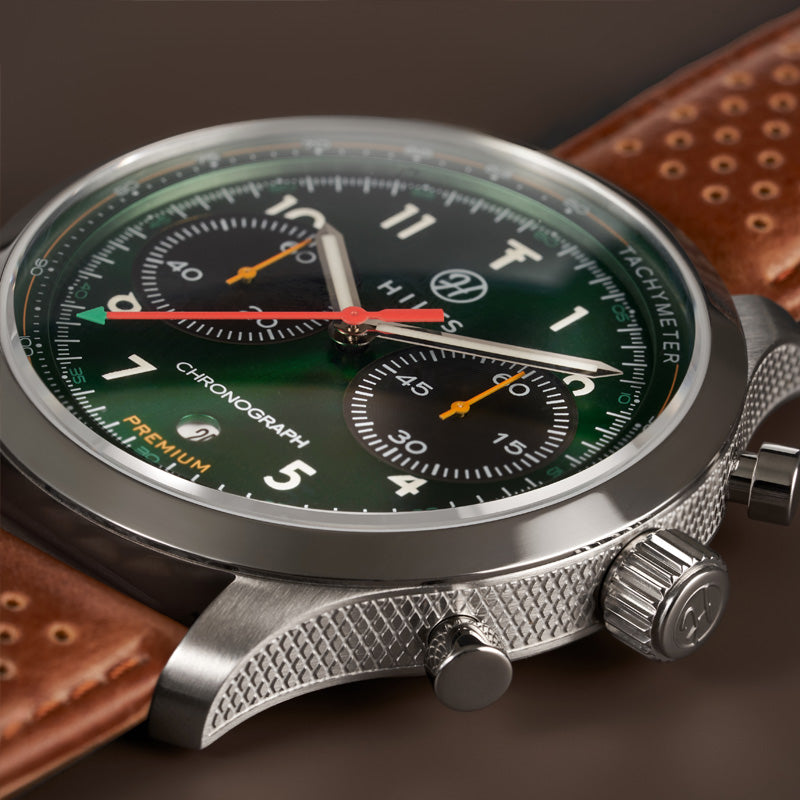
Our Quartz Movements
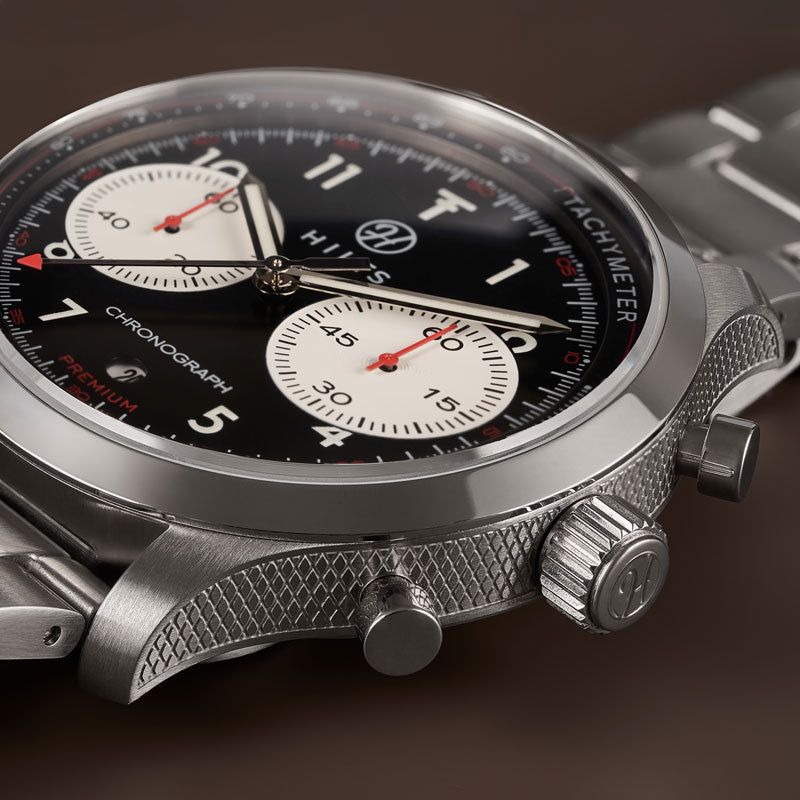
For our chronograph watches, we use Citizen Miyota quartz movements to deliver precision and reliability in a practical way.
Chronographs are designed for timing: and in this role, quartz offers clear advantages:
- Highly accurate timekeeping
- Reliable performance with minimal maintenance
- Simple servicing and long battery life
- Ideal for everyday use and timing functions
This makes quartz an excellent choice for a watch that is designed to be used frequently and dependably.
The Other Main Types of Watch Movements
Mechanical (Manual Wind)
Manual-wind movements are the most traditional type of watch movement. They are powered by the wearer turning the crown, which winds the mainspring and stores energy.
What makes them special:
- A pure, hands-on connection to the watch
- No rotor, everything is powered by the wearer
- Often slim and elegantly constructed
- A strong connection to traditional watchmaking
These movements are often appreciated for their simplicity and ritual; winding the watch becomes part of the experience.
Why Movement Choice Matters
Each movement type offers something different:
- Mechanical (manual wind) — tradition and ritual
- Automatic — craftsmanship with everyday convenience
- Quartz — precision and low maintenance
The right choice depends on how the watch will be used. A watch meant for daily wear benefits from reliability and ease of use, while others are designed to highlight mechanical artistry.
Frequently Asked Questions
Automatic movements are highly reliable when properly regulated and maintained. They’re built on proven mechanical designs that have been refined over decades. With regular servicing every few years, an automatic watch can run accurately and consistently for decades of daily wear.
Automatic watches typically run within a range of a few seconds per day, depending on how they are regulated and worn. While they are not as precise as quartz movements, they offer strong, consistent performance along with the craftsmanship and smooth operation that define mechanical watchmaking.
Quartz movements use a battery-powered crystal that vibrates at a stable frequency (32,768 times per second). This creates an extremely consistent time base, allowing quartz watches to maintain accuracy within seconds per month, significantly more precise than mechanical movements.
Quartz movements are exceptionally reliable due to their simple construction and fewer moving parts. They are less affected by shock, wear, and environmental factors, making them ideal for daily use. With occasional battery changes and minimal servicing, they deliver dependable, long-term performance.
Read more
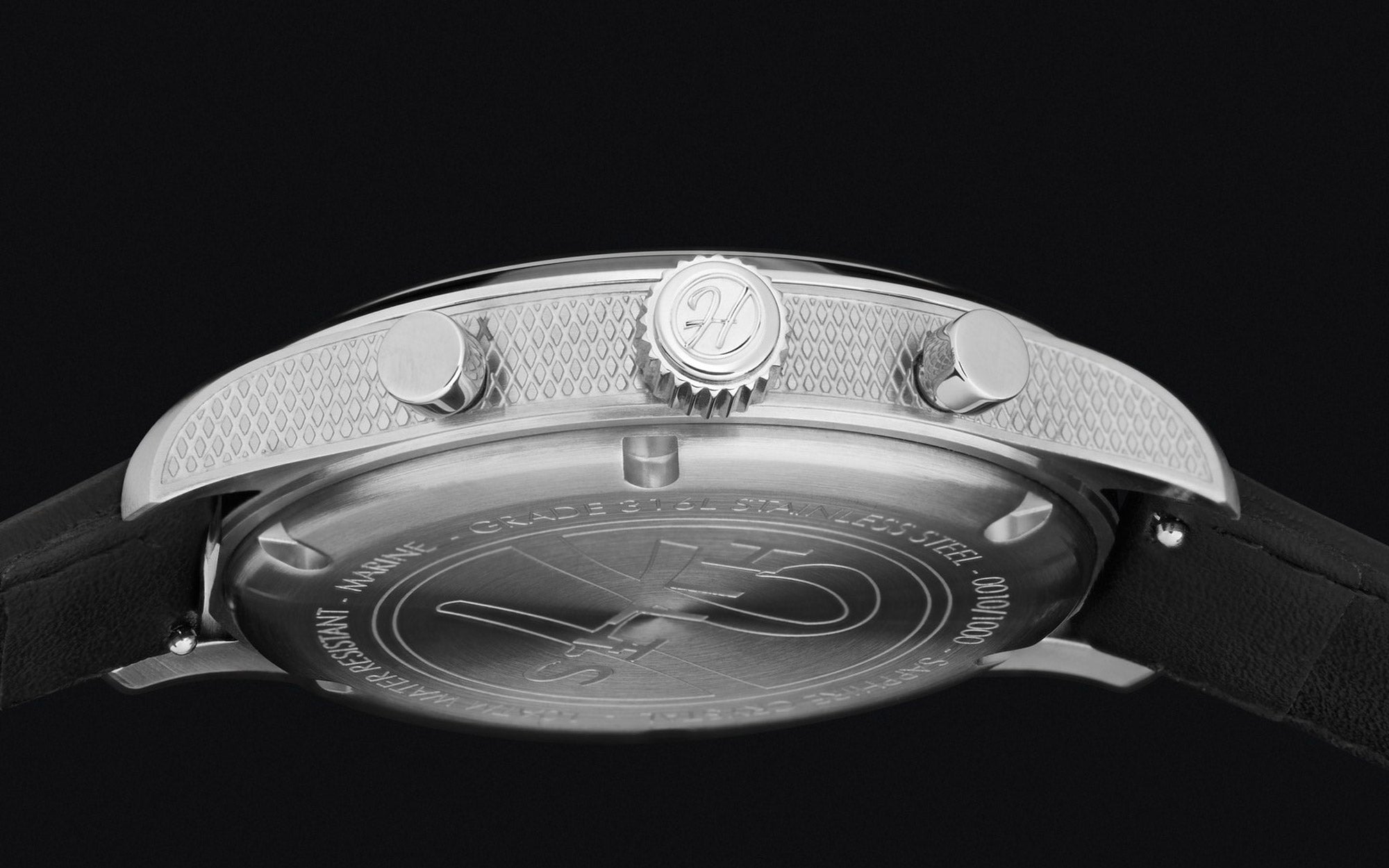
Chapter 3: Steel, Bronze, Titanium — What Actually Matters
Case material isn't just marketing. It changes how a watch feels, ages, and sits on your wrist. Here's what actually matters when choosing a case material.
Read more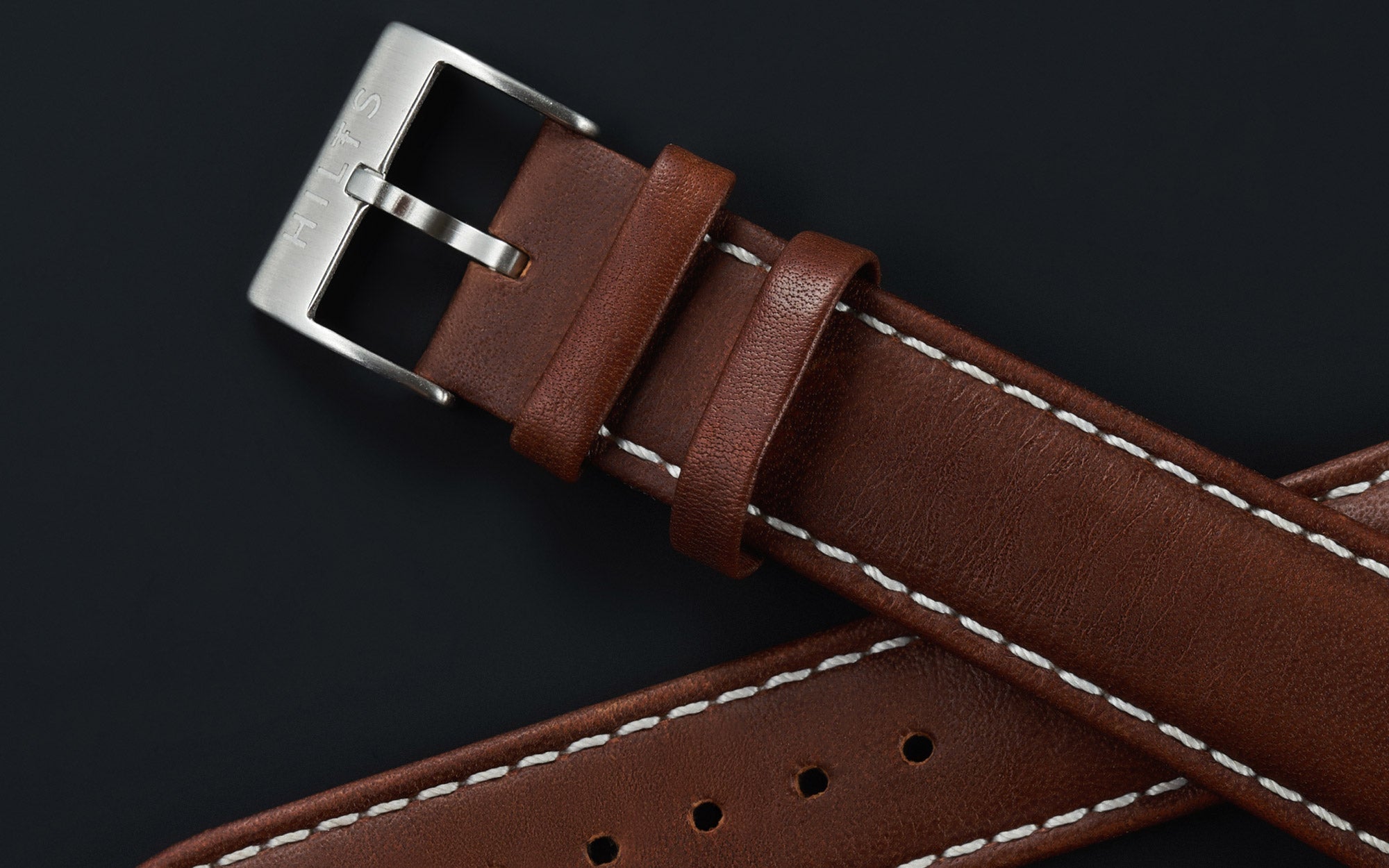
Chapter 5: The Strap: It Changes Everything
The same case and dial can feel refined, rugged, casual, or purpose-built; all depending on what it’s paired with. It’s one of the simplest ways to transform how a watch looks and wears.
Read more
Want All The Chapters?
Join our newsletter to get all 8 chapters delivered to your inbox, along with regular news updates and early access to new releases.
No Confirmation? Please check your spam or promotions folder to confirm your subscription.