

Quick Answer
A complication is any watch function beyond hours, minutes, and seconds. A complication adds value when you actually use it and it's integrated into the design.
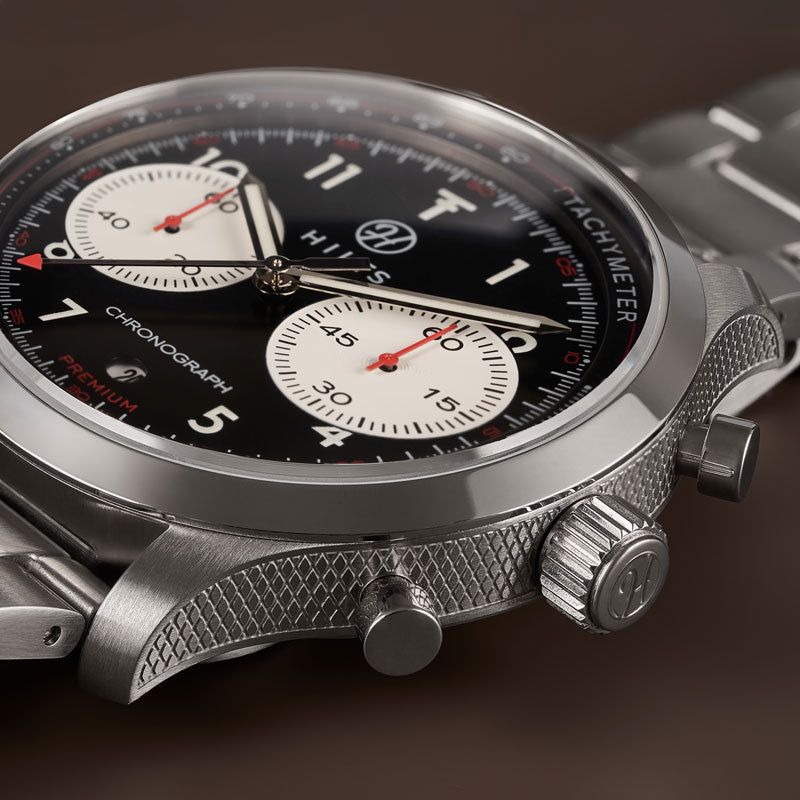
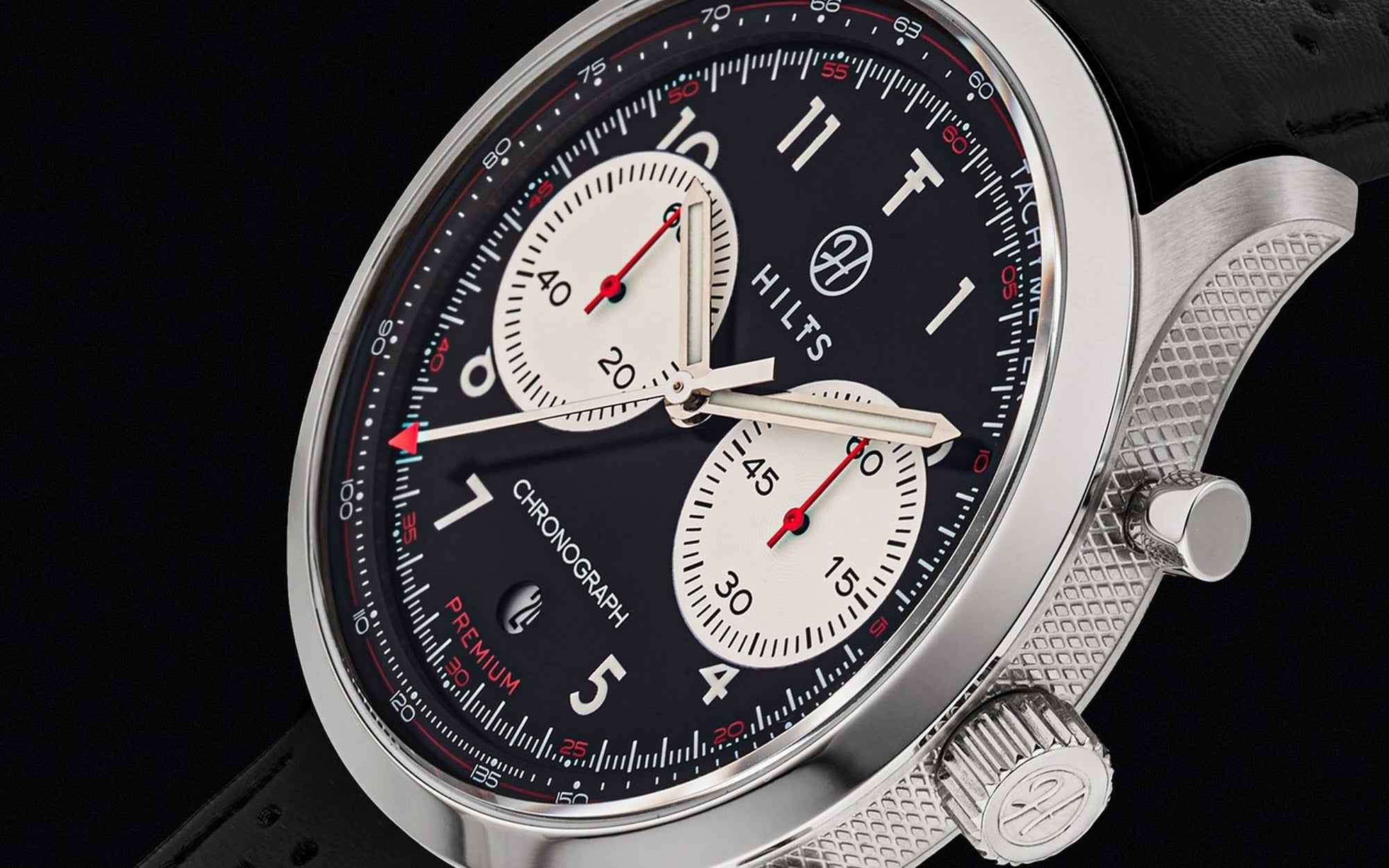
Date windows, chronographs, date pointer hands, GMT hands and power reserve indicators are all examples of complications. Listed below are some of these complications and their purpose.
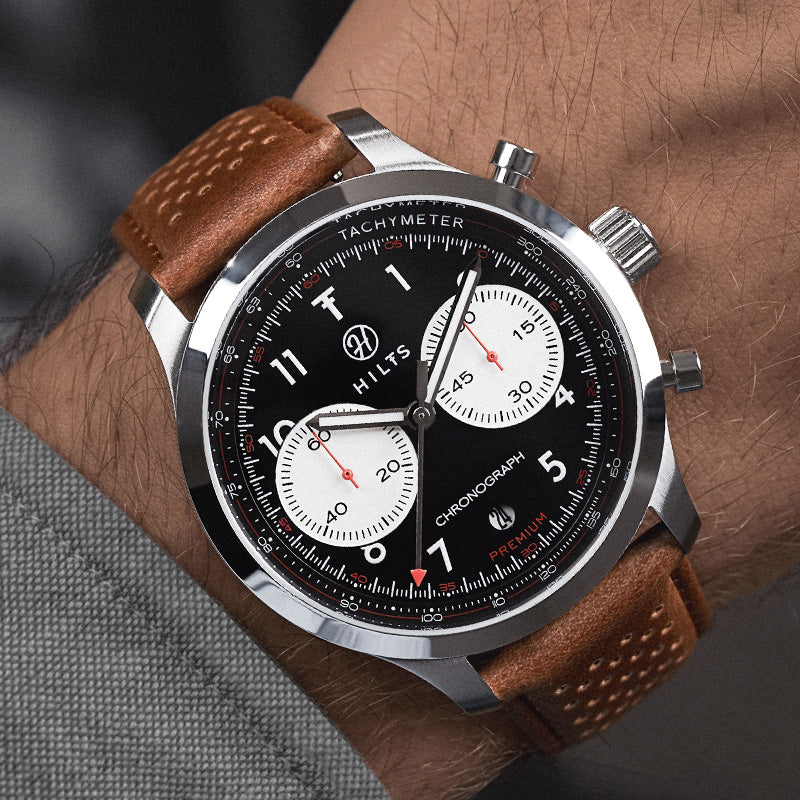
Running Seconds (Small Seconds Sub-Dial)
Removes the sweep seconds hand from the centre and places it in a small sub-dial, usually at 6 o'clock.
Why it works: the result is a cleaner, more balanced dial that honours vintage watch design from an era before centre seconds became standard. It is not more functional, but it is often more elegant, and on the right dial, that restraint speaks for itself.
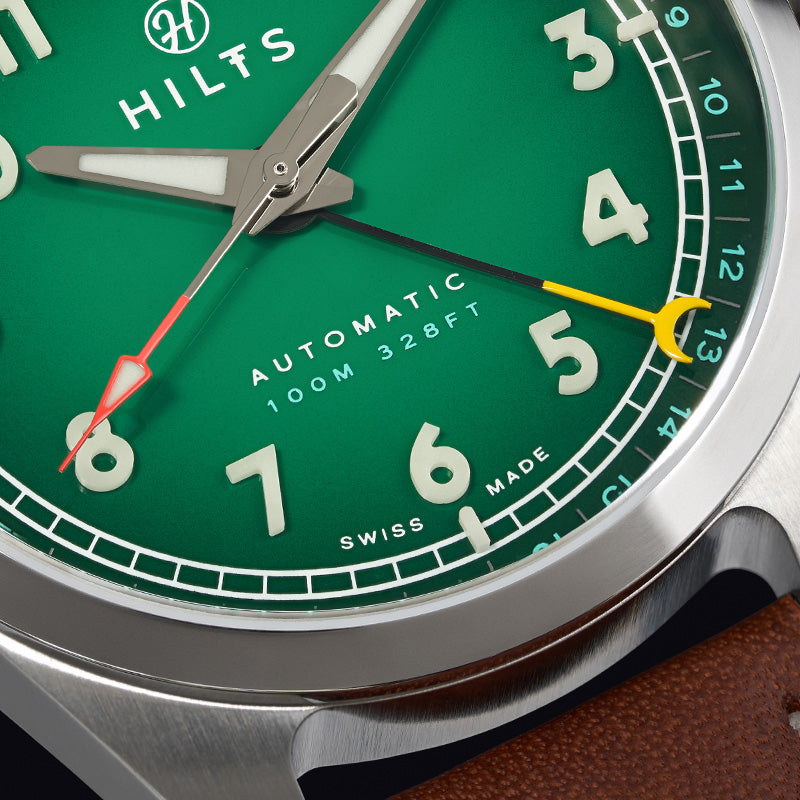
Date Pointer Hand (like the Hilts Midnight Pointer)
Instead of a date window cutting into the dial, a central hand points to the date around the dial's perimeter.
Why it works: it preserves dial symmetry entirely, honours the utilitarian roots of vintage pilot watches, and delivers a genuinely useful function without any visual disruption. It is one of those solutions that, once you've seen it, makes the conventional date window feel like an afterthought.
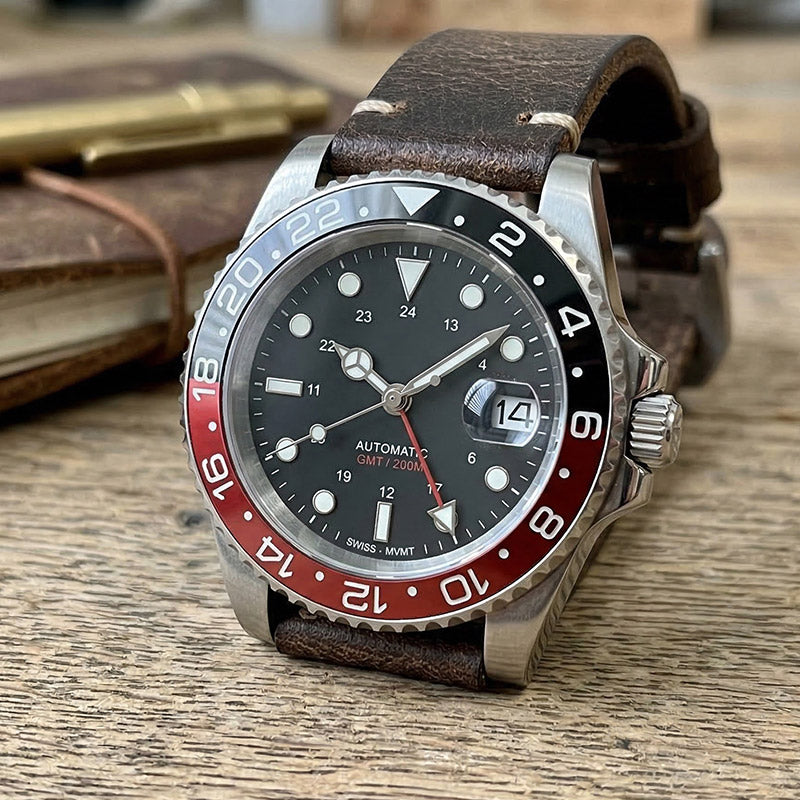
True GMT (Independent Hour Hand)
Allows you to track two time zones independently. The hour hand can be adjusted without stopping the watch or affecting the minute hand.
Why it works: for anyone who travels internationally for work, a true GMT is essential rather than optional. It lets you hold home time and local time simultaneously, with none of the compromises of a standard dual time zone display, which shows only one additional zone and typically requires stopping the movement to adjust.

Power Reserve Indicator
Shows how much energy remains in the mainspring; essentially a fuel gauge for your mechanical watch. Typically displayed as a sector dial or linear scale, marked from full to empty or in hours remaining.
Why it works: at a glance, you know whether the watch needs winding, with no guesswork required. It encourages a mindful daily ritual of winding and wearing, and serves as a quiet, visible reminder of the mechanical craft inside the case. The movement is alive, and the indicator proves it. On a dress watch in particular, it adds an elegant technical detail without ever cluttering the dial.
Frequently Asked Questions
Watch complications are any functions beyond displaying hours, minutes, and seconds. Common complications include date windows, chronographs (stopwatch), GMT hands (second time zone), moon phases, power reserve indicators, and day-date displays. The term "complication" comes from the additional mechanical complexity required to add these features.
For most people, a date display. It's simple, functional, and you reference it daily. Beyond that, it depends on your lifestyle. The "most useful" complication is the one you'll actually use.
Simple complications (date, chronograph, GMT) are relatively straightforward to service. Third-party movements with standard complications (like Sellita or ETA) can be serviced by most watchmakers.
Read more
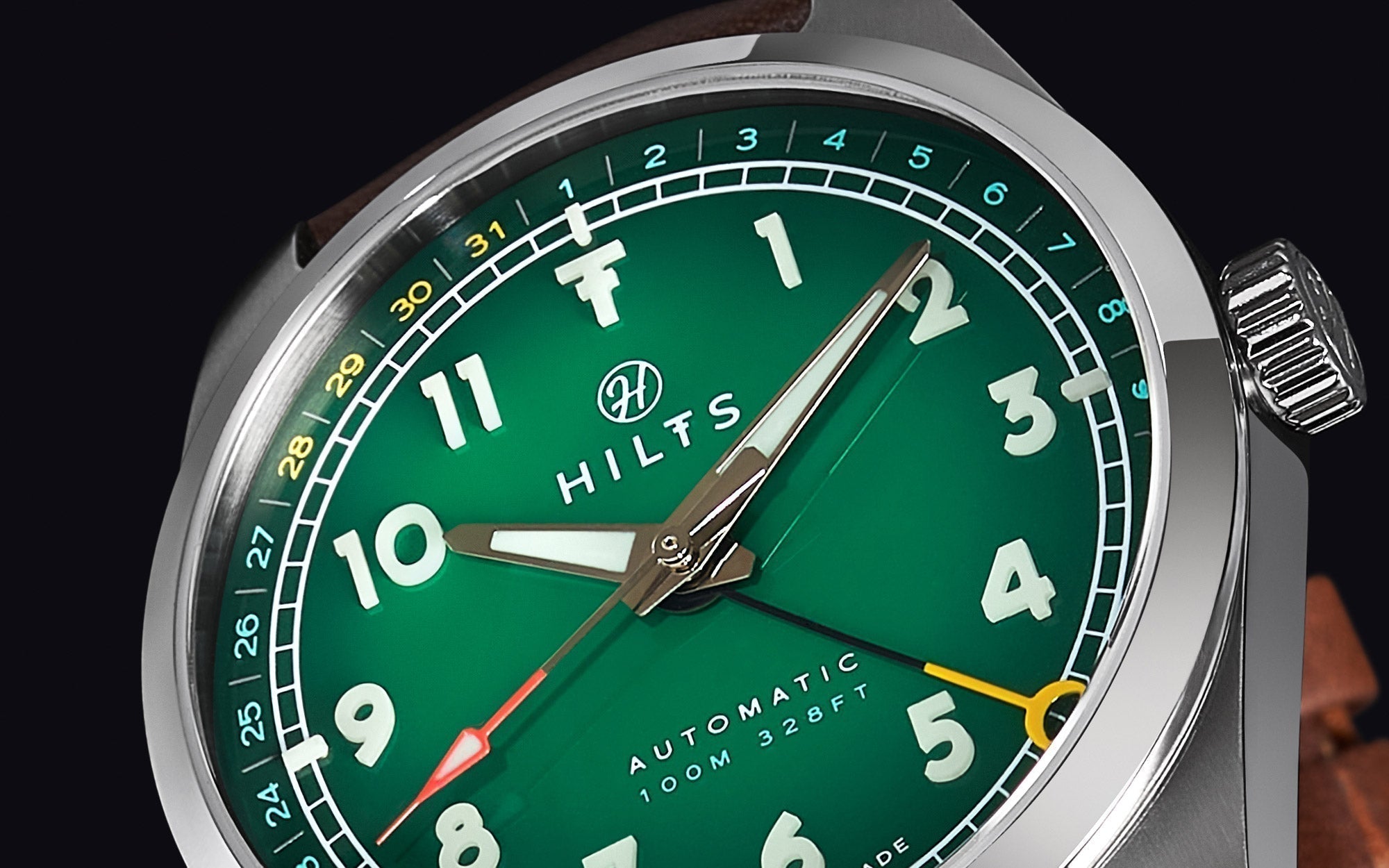
Chapter 1: Everything You Need to Know About the Watch Dial
A well-designed watch dial balances three elements: proportion, negative space and hierarchy so you can read the time at a glance without consciously thinking about it.
Read more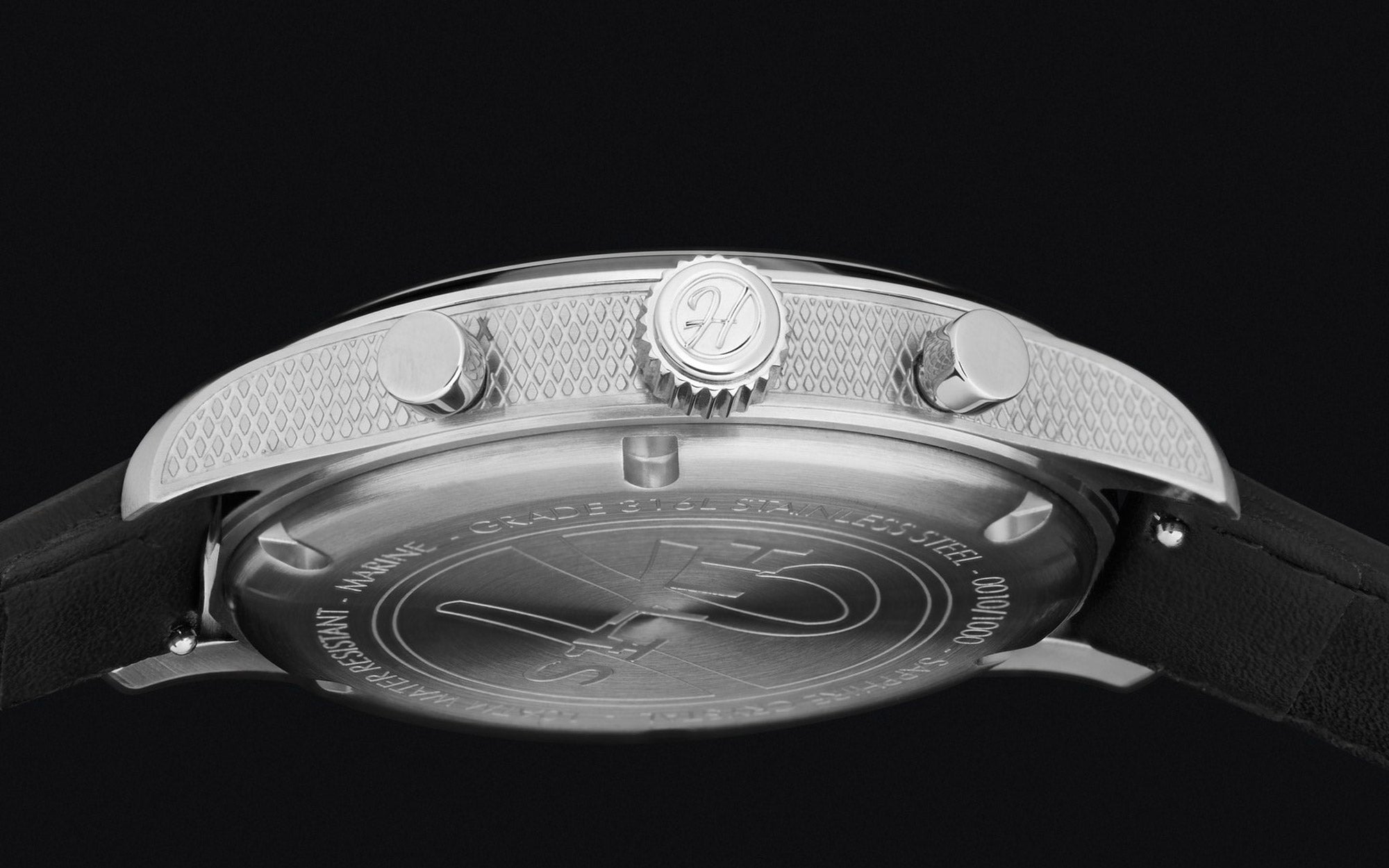
Chapter 3: Steel, Bronze, Titanium — What Actually Matters
Case material isn't just marketing. It changes how a watch feels, ages, and sits on your wrist. Here's what actually matters when choosing a case material.
Read more
Want All The Chapters?
Join our newsletter to get all 8 chapters delivered to your inbox, along with regular news updates and early access to new releases.
No Confirmation? Please check your spam or promotions folder to confirm your subscription.